


What Is Option Trading? Calls, Puts & Strategies Explained With Examples
What Is Option Trading? Calls, Puts & Strategies Explained With Examples
Is Options Trading Easy or Risky? A Complete Guide to Options, Risk Management, Capital, Strategies, and the Skills You Need Before Trading.
OPTION TRADING
What Is Option Trading? Calls, Puts & Strategies Explained With Examples
A beginner-friendly guide to how option trading actually works — key terms, real trade examples, popular strategies, risks, and how to get started in India.
NIFTY BAZAR DESK · 20 Sep 2026
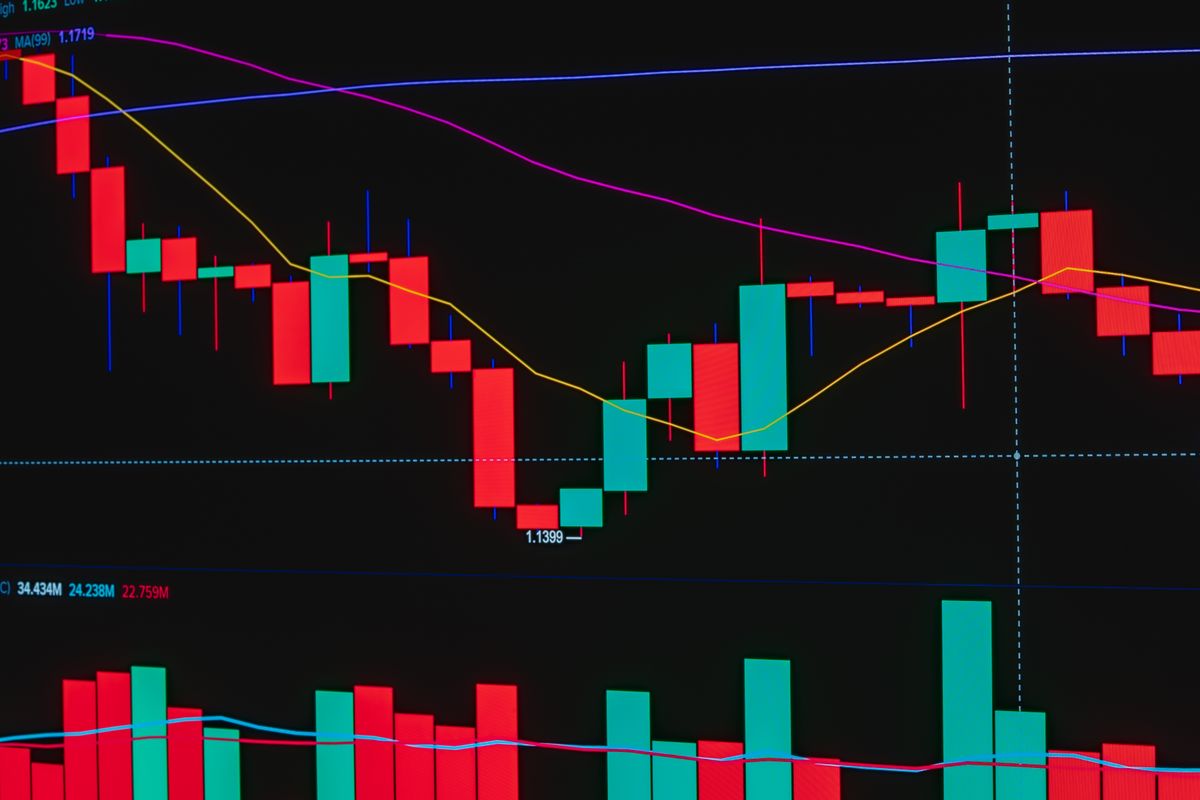
Options let traders take a view on price direction, time and volatility — not just direction alone.
Option trading has exploded in popularity in India over the last few years, with millions of retail traders now placing bets on the Nifty, Bank Nifty and individual stocks every single day. But options are also widely misunderstood — many traders jump in without knowing exactly what they're buying or selling.
This guide breaks down option trading in plain language: what an option actually is, how calls and puts work with real numbers, common strategies, and the risks you need to respect before you place your first trade.
What Is an Option?
An option is a contract that gives the buyer the right, but not the obligation, to buy or sell an underlying asset (like Nifty 50 or a stock) at a fixed price on or before a set date. There are two types:
- Call Option — gives the buyer the right to buy the asset at a fixed price. Buyers use calls when they expect the price to rise.
- Put Option — gives the buyer the right to sell the asset at a fixed price. Buyers use puts when they expect the price to fall.
In India, index and stock options are traded on the National Stock Exchange (NSE), are cash-settled, and expire weekly (Nifty) or monthly, depending on the contract.
Key Terms You Must Know
| Term | Meaning |
|---|---|
| Strike Price | The fixed price at which the option can be exercised |
| Premium | The price paid by the buyer to the seller for the option |
| Expiry Date | The last date the contract is valid |
| Lot Size | Fixed number of units per contract (e.g. Nifty = 75 units) |
| ITM / OTM | In-the-Money / Out-of-the-Money — whether exercising now would be profitable |
Example: Buying a Call Option
Suppose Nifty 50 is trading at 23,400 and you expect it to rise. You buy a 23,500 Call Option for a premium of ₹80, with a lot size of 75 units. Your total cost = ₹80 × 75 = ₹6,000.
- If Nifty rises to 23,700 at expiry: your option is worth ₹200 (23,700 − 23,500). Profit = (₹200 − ₹80) × 75 = ₹9,000.
- If Nifty stays below 23,500 at expiry: the option expires worthless. Loss = ₹6,000 (the premium paid) — and that's your maximum possible loss.
Call option payoff: loss is capped at the premium paid; profit rises as the price moves above the strike.
Example: Buying a Put Option
Now suppose you expect Nifty to fall. You buy a 23,300 Put Option for a premium of ₹70 (lot size 75). Total cost = ₹70 × 75 = ₹5,250.
- If Nifty falls to 23,000 at expiry: the option is worth ₹300 (23,300 − 23,000). Profit = (₹300 − ₹70) × 75 = ₹17,250.
- If Nifty stays above 23,300: the option expires worthless. Loss = ₹5,250 — again, capped at the premium paid.

Option buyers pay a premium for defined, limited risk — the trade-off is that time decay works against them.
Why Do Traders Use Options?
01
Hedging
Investors buy puts to protect an existing stock or portfolio against a price fall.
02
Speculation
Traders use options to bet on price direction with a smaller upfront cost than buying the stock outright.
03
Income Generation
Sellers (writers) collect the premium upfront, betting the option will expire worthless — though this carries much larger risk.
Popular Beginner Strategies
- Covered Call — sell a call against stock you already own, to earn extra income.
- Protective Put — buy a put alongside your stock holding as insurance against a fall.
- Straddle — buy both a call and a put at the same strike, betting on a big move in either direction (e.g. around results or events).
For a deeper, structured walkthrough of these and more advanced strategies, Zerodha Varsity's options module is a solid free resource.
Risks You Need to Respect
A recent SEBI study found that nearly 9 out of 10 individual F&O traders lost money in FY25–26, with options trading alone accounting for 92% of individual traders' aggregate losses. Time decay, leverage and volatility can move fast against you — options are not a shortcut to easy money.
Option buyers risk only the premium paid, but option sellers take on potentially unlimited risk if the market moves sharply against their position. Never trade with money you can't afford to lose, and always understand the maximum loss before entering a trade.
How to Start Trading Options in India
- Open a Demat and trading account with a SEBI-registered broker.
- Activate the F&O segment (requires income proof and a risk disclosure acknowledgment).
- Start with index options (Nifty/Bank Nifty) — they're more liquid than most stock options.
- Paper-trade or use small position sizes until you're consistently comfortable with the mechanics.
Bottom Line
Options are powerful tools for hedging and speculation, with clearly defined risk for buyers — but they're not simple, and most retail traders lose money in this segment. Learn the mechanics thoroughly, start small, and treat every trade as a calculated risk rather than a gamble.
Disclaimer: This article is for educational and informational purposes only and should not be considered investment advice. Options trading involves substantial risk of loss. Please conduct your own research or consult a SEBI-registered professional before trading.

Admin
More from Admin

Nifty 50 Outlook 2026: Why Is ...
15 Sep 2026Comments
Learn Market Earn Money


Additional Links
Login Register Contact About Disclaimer Privacy Policy Terms Conditions Refund PolicyContact US


Reply to Comment