


Nifty 50 Outlook 2026: Why Is the Market Struggling and When Can It Recover?
Understanding the reasons behind Nifty 50’s recent weakness, key market risks, earnings outlook, and the factors that could trigger the next recovery.
Nifty 50 is facing pressure from high oil prices, weak earnings momentum and global risks. Here’s why the market is struggling and what could drive its recovery.
STOCK MARKET
Nifty 50 in 2026: Why the Market Is Struggling — And Is It Fundamentally Broken?
High crude prices, earnings pressure, foreign outflows and valuation resets have kept the Nifty range-bound in 2026. Here's what's really going on — and what could change it.
NIFTY BAZAR DESK · 15 Sep 2026
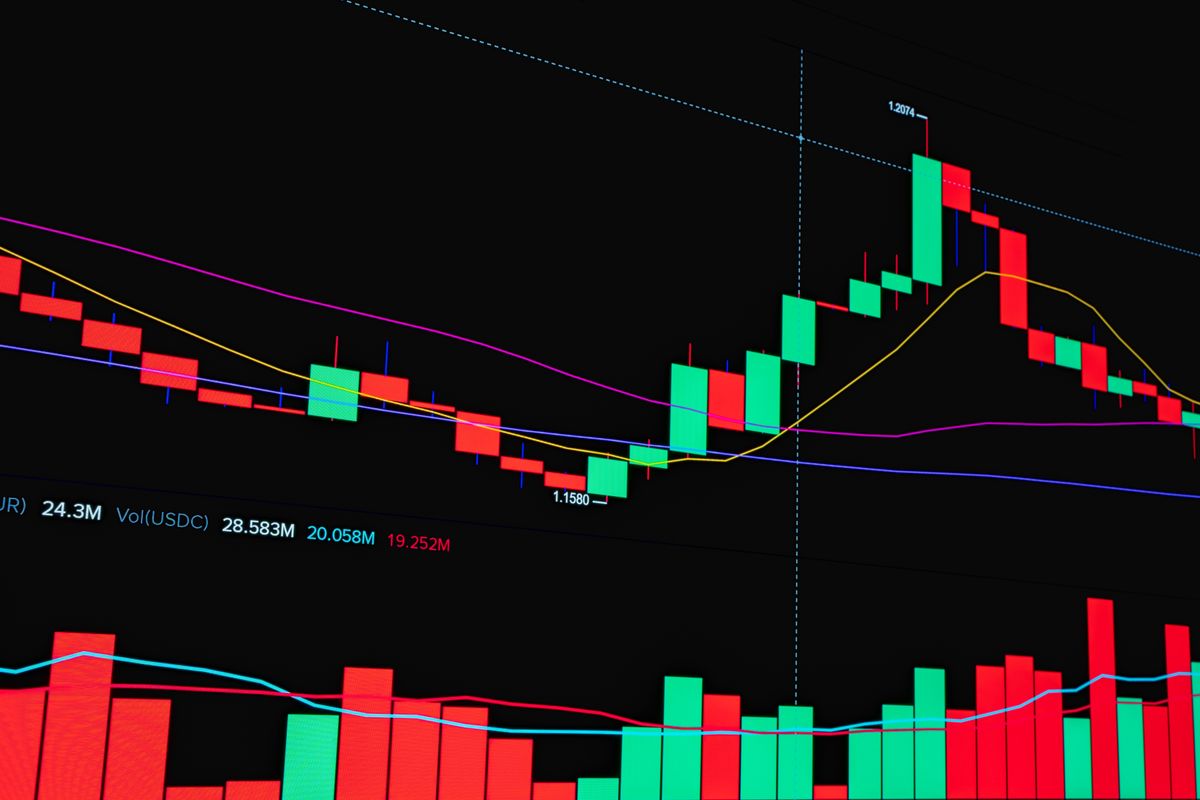
Nifty 50 has struggled to sustain momentum after hitting record highs earlier in 2026.
The Nifty 50 has entered a challenging phase in 2026, leaving many investors wondering whether the Indian stock market is going through a temporary correction or the start of a much longer slowdown.
One point needs clarifying first: it would be wrong to say Nifty has delivered negative returns for three straight years. The index actually gained around 8.8% in 2024 and 10.5% in 2025, per NSE data. The real issue is that it has struggled to sustain momentum after reaching record levels — pressured in 2026 by expensive crude, geopolitical tension, global rate uncertainty, foreign flows and earnings concerns.
As of 15 September 2026, the Nifty 50 was around 23,391, while Brent crude stayed above $100/barrel — a level that matters a lot for an oil-importing economy like India.
NIFTY 50 ~23,391 | BRENT CRUDE $100+ | 2024 / 2025 RETURN +8.8% / +10.5% | 25-YR CAGR ~12.6% |
Why Is Nifty 50 Struggling?
01
High crude oil prices
Brent has moved above $100/barrel amid geopolitical tensions and disruptions to Middle Eastern oil infrastructure. For an oil-importing economy like India, prolonged high crude pressures the rupee, inflation, government finances and corporate profitability. If prices stay elevated, the equity recovery could take longer.
02
Earnings growth under pressure
Stock prices ultimately track corporate earnings, and growth hasn't always matched what valuations had priced in. The upside: J.P. Morgan expects Indian earnings growth to re-accelerate and still sees Indian equities as attractive for long-term investors — suggesting this is more a valuation adjustment than a breakdown of the growth story.
03
Foreign investor flows
FPIs can move Indian large-caps sharply. When better risk-adjusted opportunities appear in the US, bonds, commodities or other emerging markets, money flows out of Indian equities — adding selling pressure even when domestic investors stay positive.
04
Global interest rates
Higher global bond yields make safer fixed-income options relatively more attractive versus emerging-market equities. Markets are watching the Fed closely, and rate expectations add another layer of uncertainty.
05
Valuation adjustment
Indian equities traded at a premium to many global markets for years. When earnings growth slows while valuations stay high, investors become less willing to pay up — this alone can drive a prolonged sideways or corrective phase, without implying companies are fundamentally weak.

Elevated crude prices remain one of the biggest swing factors for Indian equities in 2026.
Is Nifty 50 Fundamentally Broken?
No.
A correction or period of underperformance doesn't automatically mean India's equity story is finished. Nifty 50 represents 50 large, liquid companies across sectors — one of the key benchmarks for Indian equities. More importantly, India's long-term growth drivers — rising consumption, infrastructure investment, financialisation of savings and corporate earnings potential — remain intact.
NSE data also shows Nifty 50's 25-year annualised return was around 12.6% in INR terms as of September 2025. Investors should distinguish short-term weakness from long-term structural growth.
When Can Nifty 50 Recover?
There's no reliable date for when a correction ends. But several developments could improve the environment:
- Crude oil prices moving back toward normal levels
- Reduction in geopolitical tensions
- Stabilisation of the Indian rupee
- Improvement in corporate earnings and positive earnings revisions
- Strong domestic consumption and greater foreign participation
- More stable global interest rates and improved investor confidence
The upcoming earnings seasons will matter a great deal — if companies beat expectations and analysts start upgrading FY27/FY28 profit estimates, the market could gradually regain momentum.
What Are Major Institutions Saying?
Not every institution is bearish.
Bank of America Securities ~26,200 by Dec 2026 Turned bullish on Nifty after almost two years of caution — implying roughly 12% upside from recent levels. | J.P. Morgan Private Bank Positive long-term view 2026 Asia outlook expects Indian earnings growth to accelerate; calls the risk/reward attractive for long-term investors. |
The takeaway: the market may be under pressure today, but major institutions aren't necessarily expecting a permanent decline in Indian equities.

Institutional views are split — some see continued caution, others see 2026-27 upside.
What Should Investors Do?
The biggest mistake in a weak market is deciding purely out of fear.
01
Asset allocation
Don't put your entire portfolio into one index, sector or stock.
02
Quality companies
Favour strong balance sheets, sustainable cash flows and durable competitive advantages.
03
Earnings
Don't buy a stock just because it's fallen — check if the earnings outlook is actually improving.
04
Valuation
A good company can still be a bad investment if bought at an excessive price.
05
Time horizon
Short-term moves are unpredictable — have a strategy built to survive volatility.
Nifty 50: The Bigger Picture
The current environment is uncomfortable. High crude prices, geopolitical uncertainty, global rates, foreign flows and earnings concerns can keep volatility elevated. But investors shouldn't confuse volatility with permanent damage — India's long-term story remains supported by domestic consumption, infrastructure development, formalisation of the economy, digitalisation and rising participation in financial markets.
"Will Nifty go up or down?"
"Are corporate earnings and India's fundamentals strong enough to justify higher valuations over the next several years?"
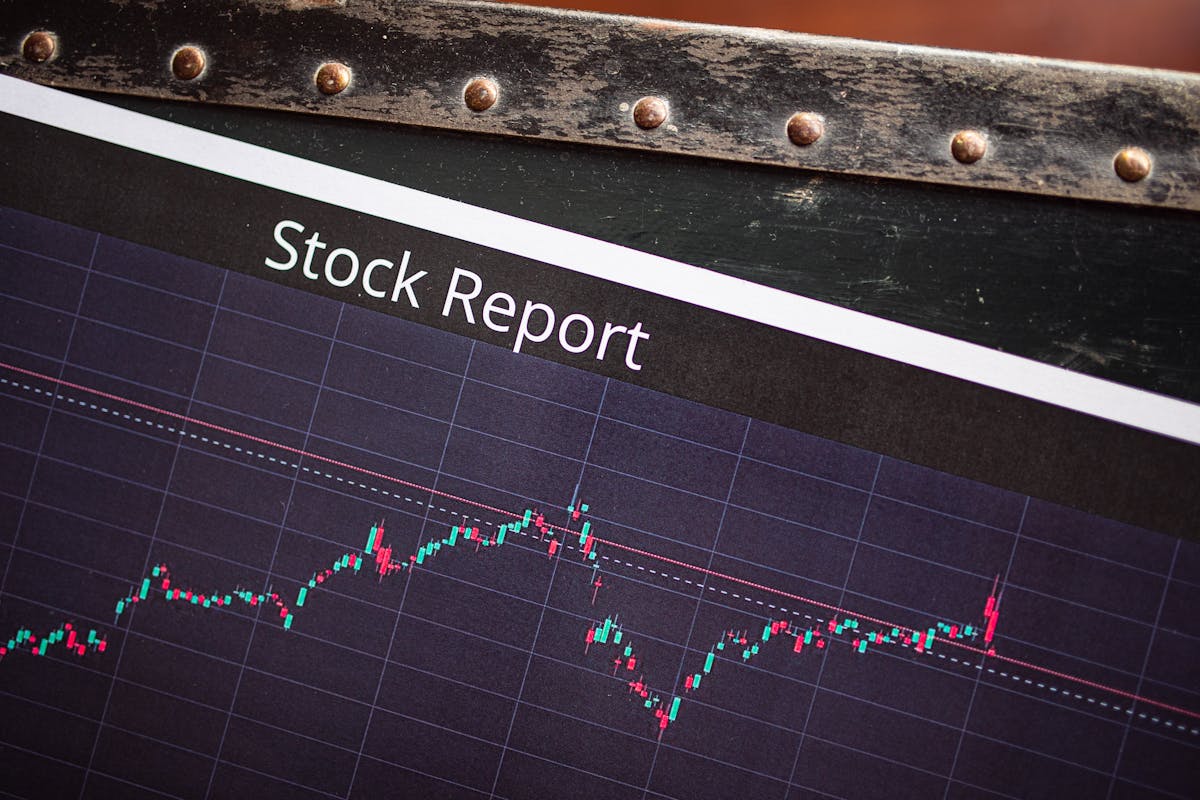
Nifty 50's 25-year annualised return has been around 12.6% — the long-term trend investors shouldn't lose sight of.
If earnings growth improves and macro pressures fade, Nifty 50 could enter another meaningful recovery phase. For long-term investors, periods of weakness can also create opportunities — but only with proper valuation analysis, diversification and risk management.
Final Verdict
Nifty 50 is facing a difficult phase, but there's currently no strong evidence that India's long-term equity story is broken. The recovery may not be a straight line — expect volatility and further sideways stretches.
At the same time, improving earnings, falling crude, stabilising global markets and renewed foreign participation could become powerful catalysts for the next major uptrend. For long-term investors, patience, valuation discipline and risk management matter more than predicting the exact bottom.
Disclaimer: This article is for educational and informational purposes only and should not be considered investment advice. Stock market investments are subject to market risks. Always conduct your own research or consult a SEBI-registered investment professional before making investment decisions.

Admin
More from Admin

What Is Option Trading? Calls, ...
20 Sep 2026Comments
Learn Market Earn Money


Additional Links
Login Register Contact About Disclaimer Privacy Policy Terms Conditions Refund PolicyContact US


Reply to Comment